Tel: +86-15850017236 Email: admin@bamboogarment.com
 EnglishEnglish

Views: 0 Author: Site Editor Publish Time: 2026-07-12 Origin: Site


Apparel markets are heavily saturated with "miracle fabric" promises today. You might wonder if the premium price of bamboo viscose is truly justified by daily wearability. Women frequently face frustrating wardrobe trade-offs. You often have to choose between structured but stiff cotton, breathable but flimsy synthetics, or elegant but high-maintenance silks. High-quality bamboo clothing solves specific comfort and fit challenges beautifully. However, its true value depends heavily on understanding its unique thermal, structural, and care realities. Let us take an evidence-based look at why bamboo viscose is rapidly becoming a staple in women's wardrobes. These garments promise effortless style and everyday utility. They also claim to support a more sustainable future. By examining the science behind the fibers, you can make informed purchasing decisions. We will explore everything from temperature regulation to sensitive skin benefits. This ensures you know exactly what to look for before you invest in your first piece.
Bamboo viscose offers superior moisture-wicking and thermal regulation compared to traditional cotton, making it ideal for fluctuating body temperatures.
The fiber's naturally smooth profile reduces friction, benefiting sensitive skin and providing a premium drape.
To maintain structural integrity and avoid the common pitfall of shrinkage, bamboo clothing requires specific cold-wash care routines.
Not all bamboo is equal; evaluating closed-loop manufacturing and OEKO-TEX certifications is crucial for verifying safety and sustainability claims.
The tactile experience of clothing dictates how often you will reach for it. High-thread-count Egyptian cotton feels incredibly crisp and structured. Standard modal feels soft but sometimes carries a synthetic texture. Bamboo viscose offers a lush, buttery texture. It bridges the gap between everyday comfort and luxury wear. You immediately notice how gently it rests against your body.
You can trace this softness directly back to the microscopic structure of bamboo fibers. Natural bamboo fibers are inherently round and smooth. They lack the jagged microscopic "spurs" found in standard wool or cheaper cotton blends. These tiny spurs are responsible for the chafing you experience after a long day. Bamboo fibers glide easily over each other. They also glide smoothly against your skin. This creates a remarkably frictionless environment.
A high-quality piece of bamboo clothing must feel unrestrictive. It should move fluidly as you walk, stretch, or sit. The primary success criterion is durability at high-friction points. Your garments should not thin out across the inner thighs or underarms after a few wears. However, there is a known implementation risk here. Lower-GSM (grams per square meter) bamboo fabrics are notably softer but highly vulnerable. They are prone to aggressive pilling if you subject them to heavy-abrasion washing. You must balance the desire for sheer softness against the need for daily durability.
Fabric Texture and Durability Chart
Fabric Type | Microscopic Structure | Tactile Experience | Friction Risk |
|---|---|---|---|
Egyptian Cotton | Flat, slightly twisted fibers | Crisp, structured, breathable | Low to Medium |
Standard Wool | Scaled, overlapping spurs | Warm, dense, sometimes itchy | High (chafing) |
Bamboo Viscose | Round, perfectly smooth | Buttery, fluid, frictionless | Low (reduces chafing) |
Daily environmental temperature shifts pose a constant challenge for women. You might step out into a chilly morning commute. Next, you enter a freezing office heavily blasted by air conditioning. Later, you might experience internal temperature shifts like postpartum changes or menopause hot flashes. Standard fabrics struggle to adapt to these rapid changes. They either trap heat uncomfortably or offer no insulation.
Bamboo viscose solves this business problem through its unique physical construction. The material features a highly porous micro-structure. It acts like a network of tiny microscopic tubes. These tubes absorb and evaporate sweat up to three or four times faster than standard cotton. We must clarify a very common transparent assumption here. Bamboo is not inherently "cooling" like a refrigerator. Instead, it is exceptionally efficient at moisture dissipation. It rapidly pulls moisture away from your skin. This prevents the dreadful "clammy" feeling of trapped sweat.
You should apply specific shortlisting logic when building your wardrobe. Different activities require different fabric blends. Consider the following recommendations:
For Activewear: Look for bamboo blended with a small percentage of elastane or spandex. This provides necessary stretch and structural recovery during workouts.
For Loungewear: Seek out 100% bamboo viscose. This maximizes breathability and creates the ultimate relaxed drape for resting.
For Office Basics: Choose a mid-weight bamboo and organic cotton blend. This offers the moisture-wicking of bamboo alongside the crisp structure of cotton.
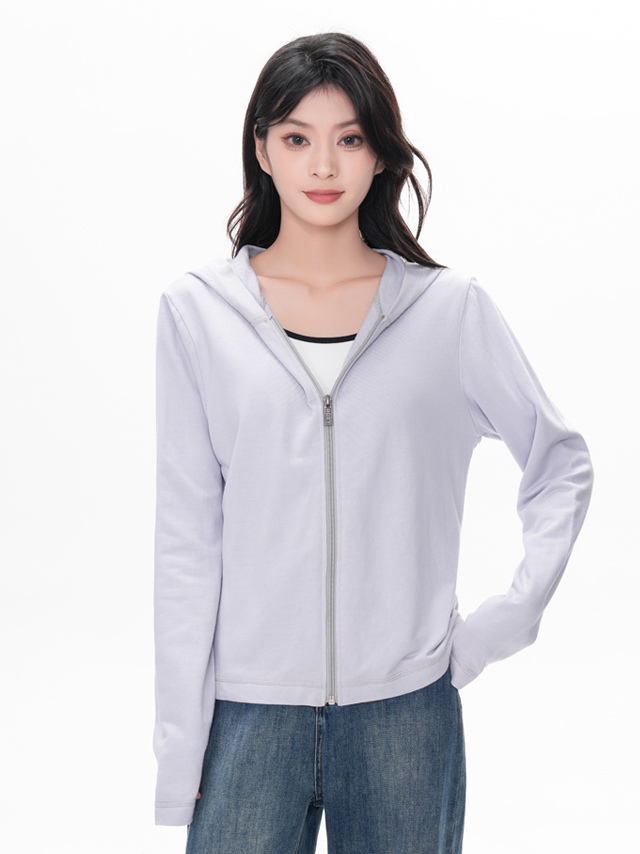
The apparel industry loves to use health-related marketing buzzwords. We must move past vague terms and focus on actual dermatological realities. Many women deal daily with contact dermatitis, eczema, or severe sensory sensitivities. Clothing acts as your second skin. It can either soothe these conditions or violently agitate them. The right fabric choice dramatically improves daily comfort.
Bamboo viscose naturally resists dust mites. It also tends to be far less hospitable to bacteria than synthetic materials like polyester. However, we must offer a balanced claim here. The fabric itself does not legally or medically "cure" skin conditions. It simply removes the friction and chemical triggers that exacerbate them. Smooth fibers mean less micro-abrasion on healing skin. Fewer trapped allergens mean fewer random flare-ups.
You must verify how your garments are dyed and treated. Conventional synthetic dyes leave harsh chemical residues embedded in the fabric. These residues transfer to your skin upon contact with sweat. As an authoritative step, you should always look for the "Standard 100 by OEKO-TEX®" certification. This label guarantees the finished fabric has been rigorously tested. It ensures the garment is entirely free from harmful substances, heavy metals, and toxic dyes. Uncertified bamboo clothing may still carry irritants from the manufacturing process. Certification provides essential peace of mind.
Few things are more frustrating than a garment that looks stunning on a hanger but fails in reality. Many fabrics lose their shape within hours. They bag out awkwardly at the knees. They cling to the wrong places by midday. This creates a messy, unpolished silhouette. You deserve clothes that work with your body, not against it.
Bamboo viscose boasts a higher specific gravity than traditional cotton. This refers to the physical weight and density of the fibers. Because it is heavier, the fabric naturally falls and contours to your body. It does not stiffly tent away from your curves. This creates an elegant, fluid drape. It gently skims your silhouette. This flattering characteristic makes it highly sought after for dresses, wide-leg pants, and flowing tops.
We must address the most common complaint found on consumer forums. The biggest implementation risk is shrinkage. Bamboo viscose will absolutely shrink and warp if handled incorrectly. If you wash it in hot water or throw it in a high-heat dryer, the fibers will contract permanently. Proper care yields a garment that retains its original silhouette and color vibrancy for years.
Follow this strict success criteria for washing:
Sort your garments to separate heavy, abrasive items like jeans from your delicate bamboo pieces.
Turn the clothing inside out to protect the smooth outer finish from washing machine friction.
Wash exclusively on a gentle cycle using cold water and a mild, eco-friendly detergent.
Skip the fabric softener entirely, as it coats the fibers and ruins their moisture-wicking abilities.
Lay the garment flat on a clean towel to air dry, avoiding the severe heat of a mechanical dryer.
Many skeptical buyers actively evaluate the eco-friendliness of modern apparel. Greenwashing is incredibly prevalent in the fashion sector. Brands often exaggerate their environmental impact. We must adopt a pragmatic, transparent approach to sustainability claims regarding bamboo.
The raw bamboo plant is undeniably highly renewable. It requires zero pesticides to thrive. It regenerates rapidly from its own root system after harvesting. It consumes far less water than a comparable cotton crop. However, we must acknowledge the underlying controversy. Turning hard bamboo stalks into soft fabric requires a chemical-heavy viscose process. The sustainability of your garment depends entirely on how the factory handles these chemicals.
You need a clear shortlisting logic to differentiate good brands from bad ones. Avoid cheap "bamboo rayon." This usually indicates an open-loop system. Open-loop factories discharge toxic solvents directly into local waterways, causing severe environmental damage. Instead, seek out responsible "bamboo lyocell" or certified "bamboo viscose." These utilize closed-loop systems. In a closed-loop facility, the manufacturer captures and recycles up to 99% of the water and solvents used.
Manufacturing Process Comparison
Process Type | Chemical Management | Environmental Impact | Fabric Quality |
|---|---|---|---|
Standard Rayon (Open-Loop) | Chemicals discarded after use | High pollution risk | Prone to rapid degradation |
Viscose/Lyocell (Closed-Loop) | 99% of solvents captured and reused | Minimal water/soil pollution | Stronger, safer, highly durable |
Your crucial next-step action is simple. Before purchasing, check the brand's transparency pages. Look for explicit mentions of closed-loop manufacturing and FSC (Forest Stewardship Council) certified sourcing.
Choosing bamboo viscose is ultimately an investment in daily comfort, thermoregulation, and proactive skin health. These benefits are easily accessible provided you are willing to adhere to simple but strict care instructions. We can establish a final decision framework here. If your primary priority is a low-maintenance routine where you can use hot water washes and high-heat drying, you should stick to heavy cotton. However, if your priority is a premium feel, excellent temperature control, and an elegant drape, bamboo is absolutely the superior choice.
We encourage you to start your wardrobe transition slowly. Begin with a foundational piece. Purchase a base-layer tee or a set of intimates. Test the fabric's performance against your personal daily standards. Experience the buttery softness and moisture control firsthand. You will likely find it difficult to return to standard synthetic blends once you do.
A: Yes, mild shrinkage of up to 3-5% is completely normal after the first wash. However, exposing the fabric to high heat will cause severe, irreversible shrinkage. You must emphasize cold washing and line drying. Laying the garments flat to dry is the best way to preserve their original size and shape.
A: It depends on your specific outcomes. Bamboo is significantly better for moisture-wicking, silky softness, and elegant draping. It breathes better in fluctuating temperatures. Cotton, on the other hand, is much better for rugged durability and heat-wash tolerance. Bamboo serves as a luxury comfort fiber, while cotton serves as a utility fiber.
A: The premium price reflects the complex production cycle. Costs include sustainable organic harvesting and the expensive closed-loop chemical extraction process. Furthermore, obtaining independent third-party certifications like OEKO-TEX Standard 100 requires rigorous, costly testing. You are paying for ethical manufacturing, safe chemistry, and superior fabric longevity.
A: You should look for a quick transparency checklist on their website. Search for explicit mentions of a "closed-loop process." Look for FSC (Forest Stewardship Council) certified bamboo sourcing. Finally, check for the OEKO-TEX label. You should actively avoid brands that make vague "green" or "natural" claims without providing these specific, verifiable certifications.


