Tel: +86-15850017236 Email: admin@bamboogarment.com
 EnglishEnglish

Views: 0 Author: Site Editor Publish Time: 2026-07-03 Origin: Site


Waking up drenched in sweat disrupts your peace. Night sweats and temperature spikes steal hours of quality sleep every week. You toss. You turn. You kick the blankets off in frustration. Traditional sleepwear completely fails hot sleepers. Standard cotton absorbs your sweat but stays damp against your skin. Synthetic polyester traps body heat and creates an inescapable sauna effect. You deserve a solution rooted in fabric science.
Enter bamboo sleepwear. It stands as a functional, evidence-based alternative to flawed conventional pajamas. It relies entirely on unique fiber structures to manage moisture effectively. It does not use temporary chemical coatings. Instead, the material naturally regulates your personal microclimate while you sleep. You will learn exactly why this fabric outperforms cotton. You will discover how to evaluate different fabric blends. We will show you how to choose the right garment for uninterrupted, comfortable rest.
Bamboo fibers contain micro-gaps that provide superior ventilation and moisture-wicking capabilities compared to standard cotton.
Effective cooling sleepwear doesn't "refrigerate" the body; it prevents heat-trapping and rapidly evaporates sweat.
Not all bamboo fabrics are equal—buyers must evaluate weave, fiber processing (Viscose vs. Lyocell), and blend percentages.
Bamboo sleepwear requires specific care routines to maintain its structural integrity and cooling properties.
Human sleep deeply depends on precise temperature control. Your brain initiates sleep by lowering your core body temperature. This natural cooling process signals your circadian rhythm to begin rest. However, external factors often interrupt this biological drop. High-density memory foam mattresses frequently reflect heat back into your body. Heavy blankets create a thermal barrier. If your pajamas trap this excess heat, your brain perceives a threat. It forces you awake to shed layers.
We must differentiate between resting hot sleepers and active sweaters. Some people simply radiate more body heat at rest. Others experience active night sweats. Hormonal shifts like menopause trigger intense internal heat flashes. Certain medications artificially elevate metabolic rates. High stress levels also activate the sweat glands during deep sleep. Both groups suffer, but they require different fabric functions to find relief.
To solve nocturnal overheating, your garments must execute three distinct functions flawlessly:
Breathability: The fabric must allow ambient room air to circulate freely over the skin. This prevents the initial heat buildup.
Moisture Wicking: The material must pull sweat away from the epidermis immediately. We call this process capillary action.
Evaporation Rate: The clothing must release trapped moisture into the air. It cannot hold liquid like a dense sponge.
When you address all three criteria, your sleep quality improves dramatically. You stay dry. You stay cool. You remain asleep.
Bamboo offers a distinct micro-structural advantage. If you examine a raw bamboo fiber under a microscope, you will notice something fascinating. The surface is not smooth. It features hundreds of microscopic gaps and micro-holes. These tiny spaces act as natural ventilation shafts. They allow trapped body heat to escape rapidly. Standard synthetic fibers look perfectly smooth under magnification. Smooth fibers block airflow and seal heat against your body.
We must clarify the crucial difference between wicking and absorbing. Conventional fabrics often absorb moisture well. However, they fail to wick it away. They hold the sweat against your skin. You wake up feeling cold and clammy. Bamboo operates differently. It pulls liquid moisture up into those micro-gaps. It then moves the moisture quickly to the outer surface of the garment. The sweat evaporates into the air almost instantly. Your bamboo sleepwear stays remarkably dry to the touch even when you sweat heavily.
This rapid evaporation provides excellent thermal regulation. We often call bamboo a "smart" fiber. It does not artificially cool the skin like an ice pack. Instead, its extreme breathability prevents the initial insulating effect. This characteristic perfectly serves "mixed sleepers." Mixed sleepers often run hot initially but hate feeling frozen once their sweat dries. Bamboo manages the moisture continuously. It stabilizes your microclimate. You stay perfectly balanced throughout the night.
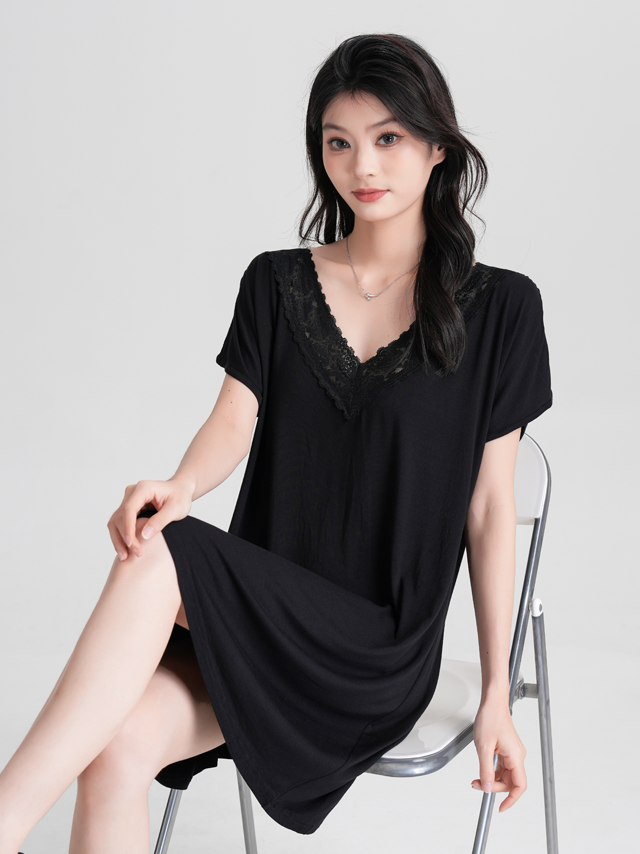
Shoppers often struggle to choose between various pajama materials. You must understand how bamboo compares against legacy fabrics. Cotton remains the most common sleepwear material globally. Unfortunately, cotton performs poorly for hot sleepers. Cotton fibers can absorb up to 27 times their own weight in water. The fabric holds onto this moisture stubbornly. The saturated cotton sticks to your body. It creates a chilling, uncomfortable sensation as the night progresses. Bamboo wicks moisture away and dries significantly faster than standard cotton.
Synthetic "cooling" polyesters present another false solution. Many athletic brands market synthetic pajamas for hot sleepers. These garments feel slick and cool initially. However, synthetics lack inherent breathability. Manufacturers apply chemical finishes to polyester to mimic moisture-wicking properties. These chemical treatments routinely wash out after a few laundry cycles. Once the coating degrades, the polyester reverts to a plastic-like heat trap. Bamboo derives its cooling power from its physical structure. The benefits never wash away.
We must also address premium alternatives like Tencel and Modal. Tencel (lyocell) serves as a highly comparable competitor. Manufacturers process Tencel sustainably using wood pulp. It performs exceptionally well. However, bamboo specifically offers unmatched drape and softness. It feels noticeably silkier against the skin. Bamboo provides highly competitive moisture-wicking metrics while delivering superior tactile comfort.
Fabric Type | Breathability | Moisture Wicking | Evaporation Speed | Heat Trapping Risk |
|---|---|---|---|---|
Standard Cotton | Moderate | Low (Absorbs instead) | Very Slow | High when wet |
Polyester/Synthetics | Low | Moderate (Chemical reliant) | Fast | Very High |
Premium Bamboo | Very High | Very High | Fast | Low |
Tencel (Lyocell) | High | High | Fast | Low |
You cannot simply buy the first item labeled "bamboo." The market contains significant variations in quality. Fiber processing types dictate the final garment performance. You will generally encounter two primary manufacturing methods.
Bamboo Viscose (Rayon): This represents the most common market offering. The resulting fabric feels ultra-soft and luxurious. However, the viscose process uses strong chemical solvents. The fabric also requires careful washing to maintain durability.
Bamboo Lyocell: Manufacturers process lyocell in a modern closed-loop system. They recover and reuse the organic solvents. This makes lyocell more eco-friendly. It also yields a slightly stronger fiber. It resists pilling better than viscose.
You must actively avoid the "blend trap." Many cheap brands use deceptive labeling practices. They heavily advertise a garment as bamboo. You check the internal tag later. You discover it contains 10% bamboo and 90% polyester. This completely ruins the cooling mechanics. You must verify the exact material breakdown before buying. Look for labels showing 90% to 95% bamboo content. Manufacturers usually pair this with 5% to 10% spandex. The spandex provides necessary stretch and comfort for active sleepers.
Weave and weight matter immensely for hot sleepers. You should recommend knit constructions over woven fabrics. A jersey knit offers maximum stretch and superior airflow. You must also evaluate the GSM (grams per square meter). GSM measures the fabric's density and weight. Lower GSM numbers indicate lighter fabrics. If you suffer from severe night sweats, look for garments under 180 GSM. Heavier weaves will inadvertently trap too much heat.
We must discuss the genuine realities of owning this specialized material. Demonstrating transparency builds trust. You need to know the specific downsides. Bamboo fibers possess a unique vulnerability. They become significantly weaker when wet. You cannot treat these garments like cheap cotton gym shirts. They require specific washing constraints to survive.
You must use cold water washes exclusively. Hot water damages the microscopic structure. You should always select the gentle cycle on your washing machine. We strongly advise placing the garments inside a mesh laundry bag. This prevents the fabric from snagging on zippers or buttons from other clothes. Harsh agitation causes premature fiber degradation. It also leads to unsightly surface pilling.
Drying realities often surprise new owners. Bamboo holds water heavily during the final spin cycle. It emerges from the washer feeling quite heavy. Because of this, it can take longer to air-dry than thin synthetics. You must resist the urge to use your dryer. High heat in a standard dryer causes significant shrinkage. It permanently warps the fabric shape. Line drying remains the only safe method.
Consider the balance between cost and lifespan. High-quality bamboo sleepwear requires an upfront financial investment. It costs more than basic poly-blends. You must set realistic expectations regarding its longevity. If you follow proper care routines carefully, the garments will last for years. They will maintain their cooling properties perfectly. However, improper laundering will ruin the mechanics rapidly. Hot washing and machine drying will destroy the fit in weeks.
You now understand the undeniable science behind this remarkable fabric. Bamboo serves as a highly functional tool for sleep hygiene. It operates far beyond the realm of simple luxury apparel. The natural micro-gaps ventilate your skin continuously. The rapid capillary action pulls disruptive sweat away from your body. You escape the miserable cycle of overheating and freezing.
Audit your current sleepwear drawer today. Check every fabric tag carefully. Throw away the synthetic polyesters causing your night sweats. Remove the heavy cotton shirts holding moisture against your chest. We recommend testing a single, high-percentage bamboo piece first. Purchase a dedicated sleep shirt or a pair of lightweight shorts. Wear them for one week. Evaluate the immediate impact on your rest quality. You will likely never return to traditional fabrics again.
A: Yes, it shrinks significantly if exposed to hot water or high dryer heat. The natural fibers warp under intense temperatures. You must strictly use cold water wash cycles. You should always line dry the garments to maintain their original size, fit, and moisture-wicking properties.
A: Silk regulates ambient temperature exceptionally well. However, silk lacks high-capacity moisture-wicking stretch. It can stick to the skin during heavy perspiration. Bamboo provides superior elasticity and faster evaporation rates. This makes bamboo the better, more comfortable choice for people experiencing active, heavy night sweats.
A: No. Clothing cannot stop biological functions. Medical conditions or hormones cause the actual sweating process. However, bamboo completely manages the resulting moisture. It prevents heat-trapping and stops the damp, clammy feeling. It keeps you comfortable enough to remain asleep through the physical sweating phase.


