Tel: +86-15850017236 Email: admin@bamboogarment.com
 EnglishEnglish

Views: 0 Author: Site Editor Publish Time: 2026-07-06 Origin: Site


Traditional cotton and synthetic shirts often fail on basic performance when you need them most. They easily retain stubborn odors, trap uncomfortable body heat during active days, and quickly lose their shape after multiple washes.
Consumers are actively moving toward functional basics to solve these persistent wardrobe frustrations. However, the premium price tag attached to specialized fabrics requires genuine justification before you commit your hard-earned money. Many buyers wonder if these modern alternatives truly deliver measurable advantages over cheaper options.
Today, we offer a transparent look at the functional benefits and complex fabric realities behind these garments. You will learn how to evaluate manufacturing quality, understand essential care routines, and spot greenwashed marketing. Ultimately, this guide helps you decide if investing in high-quality bamboo t-Shirts makes sense for your daily life.
Performance: Bamboo fibers feature micro-gaps that provide superior moisture-wicking and thermal regulation compared to standard cotton.
Skin Health: The fabric's smooth, rounded fiber structure drastically reduces friction, making it an ideal choice for activewear and sensitive skin.
Fabric Reality: Most commercial bamboo clothing is bamboo viscose. Buyers must look for sustainable processing (like Lyocell) or OEKO-TEX certifications to ensure safety and quality.
Care Dependency: Bamboo t-shirts are prone to pilling and shrinkage if mishandled; cold washing and air drying are non-negotiable for longevity.
Bamboo fibers contain microscopic gaps within their cross-section. These micro-gaps allow the fabric to absorb moisture rapidly. The material can absorb up to three times its weight in water. This structural advantage pulls sweat away from your skin much faster than traditional cotton. Capillary action forces the liquid outward toward the surface of the garment. The liquid then spreads across a wider surface area. This broad dispersion accelerates evaporation significantly. You stay cooler in summer and warmer in winter. The fabric constantly adapts to your body temperature.
Many brands make unverified claims about naturally antibacterial clothing. We prefer to focus on proven physical properties. Odor-causing bacteria thrive in warm, damp environments. Basic cotton absorbs sweat but holds it against your body. This creates the perfect breeding ground for microbes. Conversely, advanced fabrics evaporate moisture with high efficiency. This rapid evaporation deprives bacteria of the damp habitat they need to multiply. You stay fresh throughout the day because the fabric stays dry. It relies on superior moisture management rather than chemical additives.
Examine standard polyester under a microscope. You will see jagged, sharp edges along the synthetic thread. These rough edges act like microscopic sandpaper against your epidermis. During a heavy workout, repetitive motion amplifies this chafing. Now look at the organic alternative. The cross-section reveals completely smooth, rounded contours. They glide effortlessly across the body. Dermatologists frequently recommend this textile for patients managing eczema. It reduces mechanical irritation to an absolute minimum. You enjoy full mobility without suffering from painful friction burns.
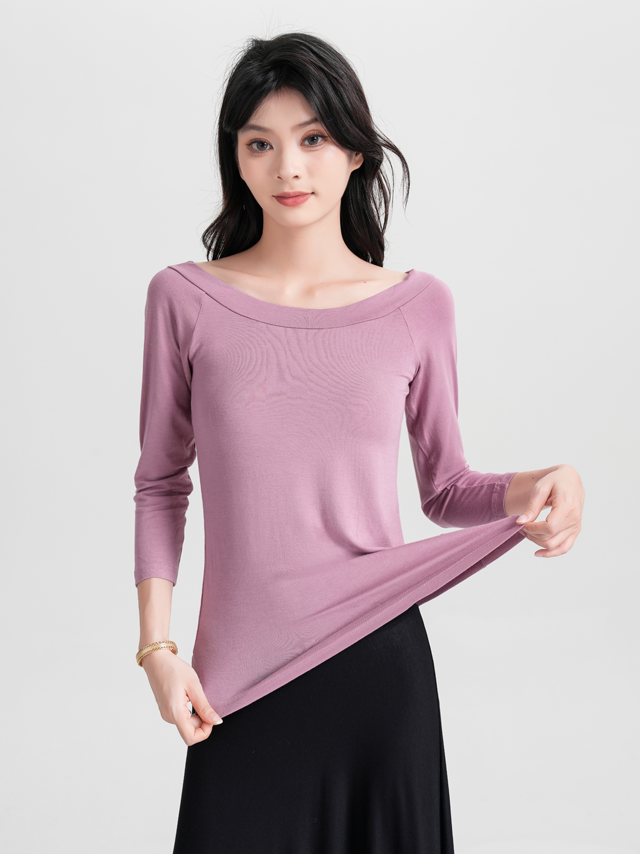
Transforming rigid bamboo grass into a soft t-shirt requires intensive processing. Buyers must look beyond the basic label to understand what they are purchasing. The raw grass must become a usable pulp. Manufacturers then extrude this pulp into delicate threads. The chemical methods used during this transformation dictate the final quality.
Most affordable options use viscose technology. This method yields a beautifully soft drape. However, it involves heavy chemical processing to break down the tough plant pulp. Factories often use carbon disulfide. This open-loop process releases chemicals into the environment if not managed strictly. The resulting fiber feels incredible but lacks strong environmental credentials.
Lyocell represents the premium, closed-loop alternative. Manufacturers use non-toxic organic solvents to dissolve the plant pulp. They recover and reuse up to 99% of these solvents during production. This highly efficient process prevents harmful runoff. Lyocell retains higher structural strength. It offers the highest environmental integrity available in the market today.
Manufacturing Feature | Standard Viscose Process | Premium Lyocell Process |
|---|---|---|
Solvent Type | Harsh chemicals (Carbon disulfide) | Organic, non-toxic amines |
Environmental System | Open-loop (requires disposal) | Closed-loop (99% recovery rate) |
Structural Integrity | Moderate strength, weakens when wet | High durability, retains strength |
You rarely find pure, unblended garments built for athletic use. The fabric is simply too heavy and delicate on its own. Manufacturers frequently blend it with organic cotton. Cotton adds essential structural durability to the garment. They also incorporate elastane or spandex into the weave. These elastic fibers ensure proper shape retention. A well-engineered blend maximizes comfort while preventing the neckline from stretching permanently.
Grams per square meter (GSM) dictates how the shirt performs in real life. Understanding this metric helps you choose the right garment for your specific climate.
Under 160 GSM: These lightweight fabrics deliver incredible breathability. They work perfectly as discrete undershirts. They also excel in extreme summer heat. However, they lack long-term durability for heavy outdoor work.
180–220 GSM: This range represents the ideal sweet spot for standalone wear. The fabric remains entirely opaque. It drapes beautifully over the torso. Mid-weight construction also strongly resists annoying surface pilling.
This unique fabric carries noticeable physical weight. The heavy drape easily causes stretching over time. You must inspect the garment structure before purchasing. Always check the shoulders and hems. You want to find heavily reinforced shoulder seams. Double-stitched hems also provide necessary structural integrity. Proper construction combats gravity and extends the usable life of your basics.
Ignore flashy marketing buzzwords when shopping. Rely exclusively on verified industry standards. Shortlist brands carrying OEKO-TEX Standard 100 certification. This independent label verifies the absence of harmful chemical residue in the final product. It protects your skin from lingering heavy metals or dyes. Additionally, look for FSC Certification. This standard ensures the raw material comes from responsibly managed forestry operations. Choosing certified bamboo t-Shirts guarantees both safety and ethical sourcing.
These garments demand specific laundry routines. Mishandling them quickly leads to post-purchase disappointment. Water dramatically alters the fiber structure. The microscopic threads lose significant tensile strength when soaking wet. This temporary weakness makes them highly susceptible to stretching. Harsh agitation in a modern washing machine easily damages the fabric. You must treat them gently on wash day.
Follow these strict guidelines to maximize your garment's lifespan. Small changes in your routine yield massive dividends in durability.
Wash your shirts in cold water consistently. Keep the temperature strictly under 30°C (86°F).
Select the gentle or delicate cycle on your washing machine.
Turn every shirt inside out before washing. This step prevents friction and surface pilling.
Dry garments flat on a clean towel. Alternatively, line dry them carefully in the shade.
Avoid these common laundry mistakes at all costs. Ruining premium basics happens quickly if you ignore these rules.
Never pour fabric softeners into the wash. Softeners coat the natural fibers in wax. This permanently destroys their vital moisture-wicking properties.
Absolutely avoid high-heat tumble drying. Extreme heat guarantees significant shrinkage. It also accelerates rapid fiber degradation.
Premium basics typically cost 20% to 40% more than basic cotton alternatives. You must assess the return on investment based on longevity. If you follow proper care routines, these garments last significantly longer. Furthermore, their dual-use capability adds massive hidden value. A single shirt functions flawlessly during intense athletic workouts. It transitions seamlessly into smart casual office wear. This versatility lowers your overall cost-per-wear dramatically.
Evaluation Metric | Standard Cotton Alternative | Premium Bamboo Blend |
|---|---|---|
Sensory Comfort | Often stiff, fades quickly | Silky smooth, retains soft drape |
Odor Management | Retains smell, requires frequent washing | Evaporates moisture, stays fresh longer |
Dual-Use Utility | Strictly casual wear | Excels in gym, office, or lounge |
Invest in this fabric if you prioritize sensory comfort above all else. It perfectly suits consumers demanding active sweat management. Frequent travelers love its resistance to wrinkles and odors. It also appeals to buyers insisting on ethical, transparent production methods. You will notice the physical upgrade immediately upon wearing it.
Do not buy these garments if you need rigid, highly structured workwear. Heavyweight cotton canvas serves manual labor purposes much better. You should also skip this fabric if you hate sorting laundry. Unwillingness to follow strict cold-wash and air-dry routines guarantees ruining the garment. Stick to indestructible synthetics if you prefer hot water and heavy tumble drying.
Upgrading your basics delivers a genuine functional advantage over standard cotton and cheap synthetics. The fabric provides unparalleled thermal comfort. It offers profound relief for individuals battling sensitive skin. You get exactly what you pay for when you choose verified quality. The science behind the moisture management is proven and effective.
Take time to audit your current wardrobe pain points today. Identify where you suffer from excessive sweat, lingering odor, or restrictive fits. If you decide to upgrade, start by testing mid-weight bamboo t-Shirts. Look for a 180+ GSM blend from a brand holding transparent OEKO-TEX certifications. Test the value firsthand before overhauling your entire closet.
A: Yes, they usually shrink 3-5% if washed in warm water or tumble dried. High-quality brands pre-shrink their fabric during manufacturing. However, strict cold washing and air drying remain essential to prevent further size reduction.
A: No, it acts highly breathable. It actively pulls moisture away from the skin. The fabric spreads the liquid out for rapid evaporation. This unique action keeps you noticeably cooler than standard polyester or thick cotton.
A: The raw material grows rapidly and is highly renewable. However, the manufacturing process varies wildly. Look for bamboo lyocell or closed-loop viscose production. These specific methods ensure a truly sustainable and non-toxic final product.
A: Use a handheld garment steamer for the best results. Alternatively, you can iron the shirt inside-out on the lowest heat setting. Applying high heat directly to the fabric will permanently scorch the delicate fibers.


