Tel: +86-15850017236 Email: admin@bamboogarment.com
 EnglishEnglish

Views: 0 Author: Site Editor Publish Time: 2026-07-09 Origin: Site


The persistent challenge of packing for a trip often involves maximizing outfit versatility. Simultaneously, minimizing luggage weight and laundry dependency drives the highly popular "one-bag" philosophy. You ultimately want to pack less while experiencing more on the road. Today, many savvy travelers are looking entirely beyond basic traditional cotton. They also find premium merino wool far too expensive for everyday travel wear. This transition highlights a massive growing demand for specialized fabric alternatives. In this context, bamboo clothing provides superior odor resistance and advanced temperature regulation. It ensures reliable, uninterrupted comfort for exhausting long-haul flights. However, you must carefully evaluate its specific material blends before buying. You also need to fully understand its natural drying limitations. By grasping these functional factors, you can effectively decide if it fits your specific travel itinerary.
Odor Management: Natural properties allow for multiple wears between washes, ideal for long flights and limited-laundry trips.
Climate Adaptability: Highly breathable and moisture-wicking, performing exceptionally well in hot and humid summer destinations.
Space Optimization: Resists deep wrinkles and drapes well, making it a low-maintenance option for tightly packed suitcases.
The Compromise (Drying Time): Bamboo fibers retain water longer than synthetics, meaning overnight "hotel sink" washing requires strategic planning.
Travel apparel requires a strict evaluation lens before earning a spot in your suitcase. You cannot just blindly pack your everyday cotton shirts. We always judge travel garments on a strict weight-to-wear ratio. Packing volume matters immensely when flying on restrictive budget airlines. Abrasion resistance and low maintenance requirements round out our non-negotiable metrics. Every item must earn its keep through high functionality.
The physical demands of travel are surprisingly intense on your garments. Consider a typical international journey across multiple time zones. You might face 12-hour flights in freezing, heavily air-conditioned cabins. Then, you step directly onto a humid, sweltering tropical tarmac. You often have very limited access to washing machines during these trips. Your wardrobe must bridge these drastic climate shifts seamlessly and comfortably. Standard fabrics simply fail under these shifting pressures.
We also see a major shift toward eco-friendly travel wear. Consumers increasingly reject disposable, fast-fashion choices for their vacations. Performance must now align perfectly alongside responsible manufacturing standards. Eco-conscious travelers deliberately seek fabrics leaving a much smaller environmental footprint. We need materials delivering both high technical performance and clear ecological integrity. Sustainable travel starts directly inside your suitcase.
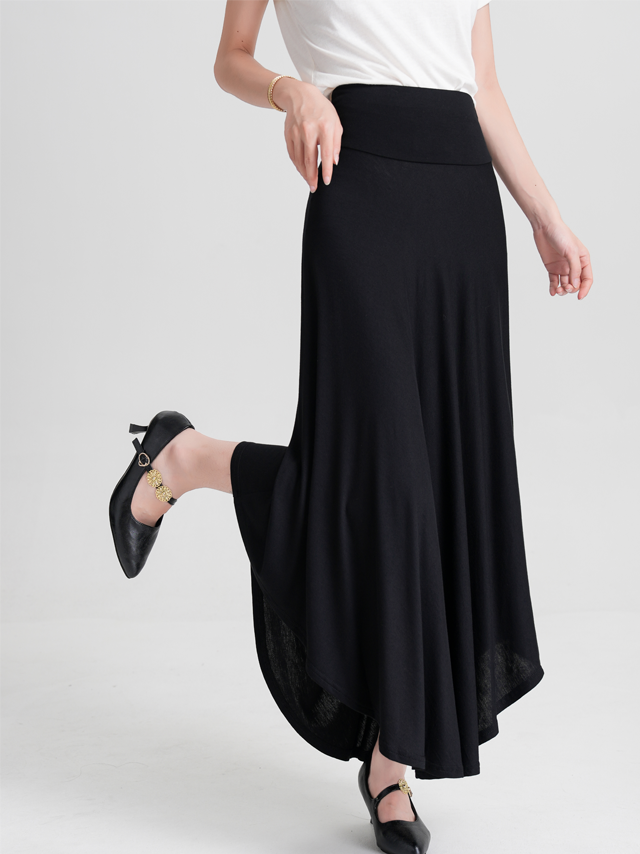
Bamboo fibers contain microscopic gaps within their cross-section structure. These unique micro-gaps allow for highly advanced ventilation across the garment. They continuously pull moisture away from your skin into the fabric. This physics-driven design creates a highly breathable textile layer. Your body temperature remains much more stable throughout the day.
For travelers, this translates into direct, noticeable cooling benefits. You will feel significantly cooler in harsh tropical climates. A standard cotton shirt easily traps sweat right against your body. It becomes heavy and uncomfortable in high humidity. Conversely, this fabric actively manages the micro-climate right next to your skin. You stay dry and comfortable while exploring sunny destinations.
Advanced moisture management creates a uniquely hostile environment for bacteria. Odor-causing bacteria thrive primarily in damp, warm, stagnant places. Because the fabric wicks sweat rapidly, bacteria cannot multiply efficiently. They simply lack the moisture needed to survive and produce smells. This biological reality provides a massive advantage for travelers.
This naturally extends the lifespan of each wear significantly. You can easily wear the same shirt several times without washing. This direct benefit drastically reduces the total number of garments needed. For a typical 14-day trip, packing just three or four shirts becomes entirely realistic. You save immense space inside your luggage while staying fresh.
The material offers an ultra-soft, frictionless drape. Many textile experts frequently compare its smooth texture directly to silk. It features proven hypoallergenic traits highly suitable for sensitive skin types. Rougher fabrics often cause micro-abrasions during active travel days. This gentle fiber prevents skin irritation beautifully.
During heavy walking days, this smooth surface actively prevents chafing. You will notice the difference while hiking through ancient ruins. It also offers superior comfort during restrictive, static activities. Long flights and cramped train rides feel much less irritating. Your skin stays relaxed even when you cannot stretch your legs.
Bamboo fabrics possess a remarkable ability to naturally relax. Gravity pulls most creases out within just a few minutes of wearing. The slightly heavier drape smooths out the fabric surface effortlessly. You do not need to rely on harsh chemical wrinkle-free treatments. The physical structure of the fiber handles the work naturally.
You can roll these garments tightly into packing cubes. When you reach your hotel, simply unpack them. You can wear them almost immediately without looking messy. You completely avoid the hassle of finding a hotel ironing board. This packing efficiency makes life on the road much easier.
We must transparently address the inherent drying time caveat. Bamboo viscose inherently holds onto water weight and moisture. It takes significantly longer to air-dry than 100% polyester athletic wear. Last-minute sink-washing becomes quite risky if you lack access to a dryer. If you change hotel locations daily, a damp shirt causes major frustration. You must plan your laundry nights strategically to allow for adequate drying time.
You should also carefully consider garment weight when wet. These pieces feel incredibly lightweight and breezy when completely dry. However, they become surprisingly heavy when thoroughly saturated by rain. This matters deeply for active or extreme adventure travel. Trekking in heavy rain makes this fabric a suboptimal choice. You will carry unnecessary water weight on your shoulders.
Durability requires a realistic perspective when planning your outfits. A pure, unblended garment can be somewhat delicate under stress. Constant friction from heavy canvas backpacks causes noticeable pilling. Over time, abrasive surfaces wear down the luxuriously soft fibers. We recommend using these pieces for urban travel over rugged wilderness excursions.
Avoid these common maintenance mistakes on your next trip:
Washing right before checkout: Garments rarely dry overnight in poorly ventilated hotel rooms.
Ignoring strap friction: Wearing pure blends under rough, unlined backpack straps accelerates pilling.
Misjudging weather: Assuming the fabric performs like a waterproof synthetic shell during heavy downpours.
Travelers constantly debate the best fabrics for packing light. We often compare these natural fibers against premium merino wool and synthetics. Understanding these distinctions helps you build a smarter wardrobe.
When evaluating merino wool, cost often becomes the first barrier. Bamboo remains generally more affordable for most travel budgets. In terms of climate, cellulosic fibers feel cooler to the touch. This makes them much better for summer trips or tropical destinations. Conversely, merino wool provides superior cold-weather insulation. Both materials successfully resist unpleasant odors. However, merino requires much more delicate washing procedures.
Comparing natural cellulosic fibers against synthetics reveals distinctly different trade-offs. Synthetic materials like polyester and nylon dominate the global outdoor industry. They repel water and dry incredibly fast in the sun. This rapid drying speed makes synthetics much better for sweaty, high-intensity pursuits. However, they notoriously trap unpleasant smells almost immediately. Natural options win definitively on breathability and odor control. A bamboo clothing piece bridges the gap between active wear and casual resort wear beautifully.
Travel Fabric Comparison Breakdown
Fabric Type | Odor Resistance | Climate Suitability | Drying Speed | Durability Profile |
|---|---|---|---|---|
Bamboo Viscose | High | Hot/Humid | Slow | Moderate (Prone to pilling) |
Merino Wool | High | Cold/Temperate | Moderate | Moderate to Low (Delicate) |
Synthetics (Polyester) | Low | Variable | Fast | High (Resists abrasion) |
Building a reliable travel wardrobe requires careful purchasing decisions. You should seek out strategic material blends for maximum longevity. Pure blends often lack necessary structural rigidity for rough travel. We advise buyers to look for blends containing organic cotton. This adds necessary structure and durability to the garment. Adding spandex or elastane ensures proper stretch and shape retention. Sometimes, manufacturers smartly blend in recycled polyester. This specifically speeds up the overall drying time for travelers.
You must verify the actual manufacturing process before checking out. Standard viscose relies on chemical-heavy production methods. Instead, try to look for modern lyocell processing. The lyocell method utilizes a strict closed-loop manufacturing system. It recycles water and organic solvents highly efficiently. This represents a much more eco-friendly choice for conscious consumers.
Always check for reputable industry certifications on the tag. We instruct readers to look for the OEKO-TEX® Standard 100 label. This globally recognized certification ensures the fabric remains entirely safe. It guarantees the absence of harmful, skin-irritating chemicals. Your skin remains protected during long, stressful travel days.
Consider starting small before overhauling your entire luggage collection. We suggest these low-risk entry points for your foundational travel wardrobe:
Base Layer T-Shirts: Perfect for daily wear and easy layering in fluctuating temperatures.
Long-Haul Flight Joggers: Provide non-restrictive comfort during extended periods of sitting.
Travel Underwear: Capitalizes on the anti-chafing and moisture-wicking properties.
Performance Socks: Excellent for keeping feet dry and odor-free in heavy walking shoes.
When examining a clothing label, pay close attention to exact percentages. A blend of 70% bamboo, 25% organic cotton, and 5% elastane usually hits the sweet spot. Avoid blends containing less than 50% of the core fiber if you want true cooling benefits.
Our final verdict highlights clear, practical benefits for modern globetrotters. We find this material acts as an elite choice for urban travel. It truly excels during long transit days. Hot climates demand high breathability, making it highly suitable for summer vacations. Comfort, odor control, and a neat appearance remain paramount for enjoyable trips.
However, it does not perfectly fit every possible itinerary. Extreme ultralight hikers moving daily in wet conditions face real risks. They should stick strictly to rapid-drying synthetic garments. The slow drying time simply presents too much friction in constant downpours.
Take a moment to audit your current travel wardrobe today. Look at the shirts you frequently pack. We encourage you to test a single base layer. Take it on your next short weekend trip. You will likely experience a dramatic improvement in travel comfort and luggage space.
A: Yes, it can shrink if exposed to high heat. You should always wash these garments in cold water. We strongly recommend line drying whenever possible. If you must use a hotel dryer, select the lowest heat tumble setting. This simple precaution prevents unwanted shrinkage and prolongs the lifespan of the delicate fibers.
A: Yes, many of these garments offer excellent natural UPF properties. The inherent qualities of the fiber block harmful rays effectively. Furthermore, the tight weave construction creates a reliable physical barrier. This protects your skin against intense sun exposure during long, sunny days of sightseeing.
A: Absolutely. The fabric features exceptional moisture-wicking properties. This creates an environment where odor-causing bacteria strongly struggle to survive. You can comfortably wear the same shirt on a long flight and throughout the following day. It will remain remarkably fresh, saving you valuable time and luggage space.


