Tel: +86-15850017236 Email: admin@bamboogarment.com
 EnglishEnglish

Views: 0 Author: Site Editor Publish Time: 2026-07-15 Origin: Site


Consumers face a difficult choice today. They must decide between traditional cotton and highly marketed eco-friendly bamboo fabrics. This modern dilemma often feels incredibly overwhelming. Both materials offer distinct advantages for everyday wear. However, clever marketing hype frequently obscures the complex realities behind them. Brands rarely highlight the gritty details of manufacturing processes. Shoppers struggle to understand true environmental footprints. They also question long-term durability and overall value. We want to cut through this industry noise. We provide a transparent, evidence-based breakdown below. You will learn how to make an informed investment in your textiles. This guide prioritizes actual performance and verifiable sustainability. By the end, you will know exactly which fabric suits your unique lifestyle.
Bamboo excels in moisture-wicking, thermal regulation, and ultimate softness, but its environmental credibility depends entirely on how it is processed (closed-loop Lyocell vs. chemical-heavy Viscose).
Organic Cotton remains the gold standard for chemical-free processing, durability, and structural integrity, though it demands significantly more water and land to grow than bamboo.
The best choice for bamboo clothing requires looking for specific certifications (like OEKO-TEX® and FSC) and closed-loop manufacturing to avoid greenwashed rayon.
Verdict: Choose high-quality bamboo for activewear, loungewear, and sensitive skin; choose organic cotton for structured, high-durability daily wear.
A plant’s raw eco-friendliness does not automatically transfer to the finished fabric. Understanding the specific processing method remains critical for evaluating true sustainability. Many brands boast about natural origins. They conveniently ignore the industrial steps required to create wearable textiles. We must examine these hidden manufacturing phases closely.
Conventional cotton farming carries a massive environmental burden. Farmers rely heavily on toxic pesticides to protect their crops. These chemicals degrade soil health over time. They also contaminate local water supplies. Furthermore, conventional cotton cultivation demands massive water consumption. Farmers often divert entire rivers to irrigate dry agricultural zones.
Organic cotton presents a much better alternative. Certified organic farms eliminate toxic pesticides entirely. They utilize natural crop rotation to maintain soil health. Organic cotton typically relies on rain-fed agriculture. This practice drastically reduces artificial water consumption. However, organic methods yield less fiber per acre. Farmers need more land to produce the same volume of material. You should always look for Global Organic Textile Standard (GOTS) certification. This label guarantees strict environmental and social compliance.
The raw bamboo plant is undeniably sustainable. It grows rapidly without any chemical fertilizers. The plant requires minimal water to thrive. It regenerates naturally from its own root system after harvesting. However, turning stiff bamboo wood into soft fabric requires complex industrial intervention.
Most commercial bamboo fabrics use the Viscose or Rayon method. This common process relies heavily on harsh chemicals. Manufacturers use carbon disulfide to break down tough bamboo pulp. This highly toxic solvent poses severe health risks to factory workers. It also causes massive water pollution if facilities lack proper waste management. You must approach conventional viscose carefully.
Lyocell represents the premium standard for sustainable processing. This advanced method utilizes a closed-loop production system. Manufacturers use non-toxic organic solvents instead of harsh chemicals. The system captures and reuses over 99% of these solvents. This prevents harmful runoff from entering local ecosystems. Choosing Lyocell ensures your bamboo clothing actually lives up to its eco-friendly marketing.
Fabric origins matter deeply for the planet. However, daily performance dictates how much you will actually wear a garment. We must evaluate how these materials perform against the skin. Real-world scenarios expose the strengths and weaknesses of each fiber.
Bamboo fabric is naturally highly porous. This microscopic structure creates exceptional airflow. It offers superior moisture-wicking capabilities during physical activity. The fabric pulls sweat away from your body efficiently. It then disperses the moisture across the surface for rapid evaporation. This thermoregulation keeps you cooler in summer months. It also provides insulating warmth during winter.
Cotton also offers excellent breathability for daily wear. It allows air to circulate freely around your body. However, cotton absorbs moisture and holds it tightly. The fibers swell and retain sweat instead of dispersing it. This characteristic makes heavy cotton less ideal for intense perspiration. A damp cotton shirt stays wet and clings to the skin.
Textile texture significantly impacts daily comfort. High-quality bamboo clothing features a smooth, round fiber structure. This geometry creates a luxurious, silk-like drape. The material glides effortlessly over the body. It significantly reduces friction against the skin. Dermatologists often recommend it for eczema or severe skin sensitivity.
Cotton possesses a coarser microscopic fiber structure. The natural twists in cotton fibers create a familiar, crisp feel. Many people love this classic, structured sensation. However, this slight coarseness generates higher skin friction. Stiff cotton garments may irritate highly sensitive skin conditions over time.
Many brands claim their bamboo products naturally kill bacteria. We need a skeptical-friendly reality check here. The living bamboo plant indeed contains natural antimicrobial bio-agents. Scientists call this unique substance "bamboo kun." It protects the wild plant from pests and fungi.
However, the harsh viscose chemical process destroys these natural properties. The intensive manufacturing completely strips away the bamboo kun. The finished rayon fabric retains no inherent antibacterial qualities. Unless a manufacturer explicitly treats the finished textile, the antibacterial claim remains a persistent myth. Do not buy untreated viscose expecting odor-eliminating miracles.
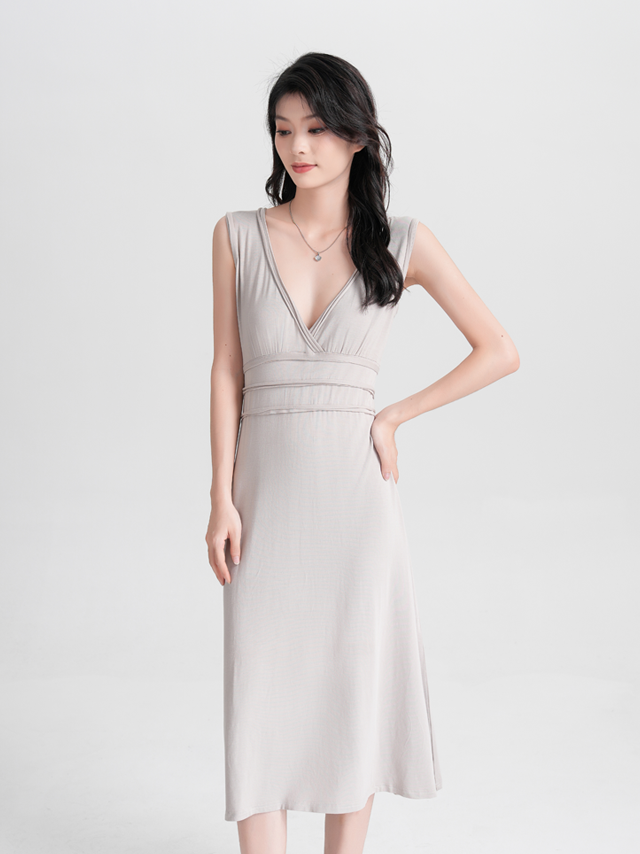
Marketing claims often rely on vague terms like "green" or "natural." We must assess true sustainability using Life Cycle Assessment (LCA) lenses. This scientific approach evaluates every stage of a product's existence. We look past the marketing to analyze verifiable data.
Water scarcity remains a critical global issue. Bamboo significantly outperforms cotton during the agricultural phase. It requires up to one-third less water than conventional cotton crops. Bamboo thrives entirely on natural rainfall in most regions. Cotton heavily depends on artificial irrigation systems. This massive water diversion depletes local aquifers rapidly.
Efficient land use protects natural biodiversity. Bamboo yields up to ten times more usable fiber per acre than cotton. This incredible density reduces the need for agricultural expansion. Furthermore, bamboo forests act as powerful carbon sinks. They absorb exceptionally high levels of atmospheric CO2. They also release more oxygen than equivalent stands of timber.
Pollution serves as the ultimate tiebreaker in this debate. Conventional cotton fails miserably due to aggressive agricultural pesticides. These chemicals devastate local insect populations and farm workers. Conversely, conventional bamboo fails during the factory stage. The viscose process dumps heavy manufacturing chemicals into waterways.
The definitive winners are Organic Cotton and Bamboo Lyocell. Organic farming eliminates field toxicity completely. The Lyocell closed-loop system eliminates factory pollution entirely. You must seek out these specific variations to ensure actual sustainability.
Life Cycle Assessment (LCA) Evaluation Summary
Environmental Metric | Conventional Cotton | Conventional Bamboo (Viscose) | Organic Cotton (GOTS) | Bamboo Lyocell |
|---|---|---|---|---|
Water Footprint | Extremely High | Low (Agricultural Phase) | Medium (Rain-fed mostly) | Low |
Land Efficiency | Low Yield per Acre | High Yield per Acre | Lowest Yield per Acre | High Yield per Acre |
Chemical Toxicity | High (Pesticides) | High (Solvents) | None | None (Closed-loop) |
Carbon Absorption | Low | High | Low to Medium | High |
Every garment eventually reaches the end of its usable lifespan. Both pure cotton and pure bamboo are naturally biodegradable. They will safely decompose in a compost environment over time. However, this only applies if they remain unblended. Blending these natural fibers with synthetic plastics like polyester ruins their biodegradability. You must also ensure the brand uses eco-friendly, non-toxic dyes.
A truly sustainable garment must survive years of regular use. Implementation considerations deeply impact your wardrobe maintenance. Material characteristics directly influence lifespan and overall return on investment. You must align your purchase with your actual laundry habits.
Cotton is famous for its exceptional ruggedness. Its cellulose structure actually becomes stronger when completely wet. This unique trait makes cotton incredibly resilient during laundry day. You can subject heavy cotton to hot water washes. It survives harsh industrial detergents without much complaint. You can also confidently use heavy tumble drying. The fabric experiences minimal structural degradation over time.
Bamboo behaves very differently under stress. The regenerated cellulose fibers become significantly weaker when wet. Aggressive washing can cause heavy friction damage. The fabric is prone to surface pilling if mistreated. It also suffers from dramatic shrinkage if exposed to high heat.
To protect your investment, you must follow strict care guidelines. The following care mandate ensures your garments survive longer:
Always wash bamboo items in cold water exclusively.
Select the gentlest cycle on your washing machine.
Avoid harsh chemical bleaches or aggressive fabric softeners entirely.
Skip the tumble dryer and strictly line-dry your items.
Store garments neatly folded to prevent hanger stretching.
Manufacturing complexity directly impacts retail pricing. High-quality bamboo clothing often carries a noticeable premium price tag. The advanced closed-loop Lyocell technology requires expensive factory infrastructure. Cotton offers a much wider range of accessible price points. You can find cheap conventional cotton or premium organic options easily. You must weigh upfront costs against expected garment lifespan.
Nobody needs to choose just one fabric forever. Smart consumers use shortlisting logic based on specific daily needs. Practical criteria help you choose the right material for the right occasion. Here is how you can optimize your wardrobe choices.
Bamboo shines in scenarios demanding ultimate physical comfort. You should choose it when you prioritize ultra-soft texture. It provides incredible drape and gentle stretch. This makes it absolutely perfect for loungewear, sleepwear, and premium underwear. You will also love bamboo if you are a chronically hot sleeper. Its high moisture-wicking properties keep night sweats at bay.
Action Step: You must read the fine print before buying. Only purchase if the brand transparently lists "Bamboo Lyocell." Look actively for credible OEKO-TEX® Standard 100 labels. You should also check for Forest Stewardship Council (FSC) certifications. These labels guarantee your purchase supports responsible forestry.
Cotton remains undefeated for rugged, structural applications. You need cotton for items enduring heavy physical friction. It works perfectly for rigid denim jeans. It suits heavy workwear t-shirts and durable outerwear. You should also choose cotton if you prefer low-maintenance laundry routines. It forgives accidental hot washes much better than delicate alternatives.
Action Step: Always look for the GOTS (Global Organic Textile Standard) certification logo. This specific standard ensures true environmental compliance from farm to factory. It guarantees workers receive fair wages and safe conditions. Avoid conventional cotton whenever your budget allows.
Neither fabric achieves perfect environmental flawlessness. Every manufactured good leaves some footprint on the earth. Cotton's primary flaw lies out in the agricultural field. It consumes massive water resources and toxic pesticides. Bamboo's primary flaw lies inside the chemical factory. Conventional processing relies on dangerous industrial solvents.
We highly recommend shifting your fundamental purchasing criteria. Stop arguing about "bamboo vs cotton." Start thinking about "responsibly processed vs conventionally processed." This mindset shift creates actual positive change in the fashion industry. A certified organic cotton shirt easily beats a toxic bamboo rayon shirt. A closed-loop bamboo Lyocell dress beats a pesticide-soaked cotton dress.
Your next steps are clear and actionable. Audit your current wardrobe to identify your true material needs. Check brand transparency pages diligently before finalizing your next purchase. Demand material certifications from your favorite retailers. Your informed choices will push the entire industry toward better practices.
A: Yes, bamboo fabric is highly susceptible to shrinkage if exposed to heat. The fibers contract significantly under hot water or high dryer temperatures. It should always be washed in cold water and air-dried to maintain its original shape and size over time.
A: No. While the plant is grown naturally without pesticides, turning tough bamboo wood into soft fabric requires intensive chemical solvents. Look for closed-loop Lyocell processes to ensure those manufacturing chemicals do not harm the local environment or linger dangerously on the finished fabric.
A: Bamboo is generally much better for skin conditions. It features smoother, microscopic round fibers that significantly reduce micro-abrasions against irritated skin. However, you must ensure the fabric is dyed with non-toxic, OEKO-TEX® certified dyes to prevent unexpected chemical allergic reactions.
A: Organic farming requires significantly more manual labor for weed and pest control. Farmers also face strict, expensive compliance auditing for GOTS certification. Finally, organic methods yield less crop per acre without the use of synthetic fertilizers, driving up the baseline cost of raw materials.


